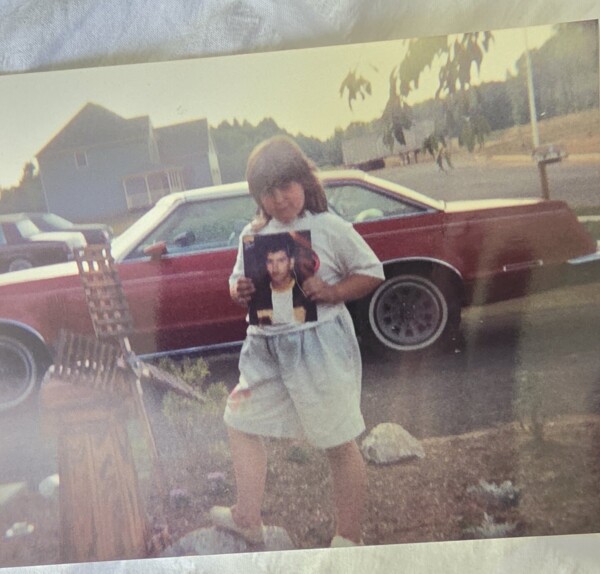
The other day, I was digging through a box of old family photos when I came across a picture of myself as a kid holding a New Kids on the Block poster of Jonathan Knight. If you’re a child of the 80s or 90s, you probably already know where this is going.
My best friend and I were completely obsessed. We spent entire summers listening to their tapes, talking about which New Kid was cutest, and apparently staging elaborate photoshoots featuring our favorite band members. At the time, it felt very important.
What struck me wasn’t the poster or even the questionable fashion choices. It was how quickly that photograph transported me back to that season of my life. I could almost remember what summer felt like. The freedom of having nowhere to be. Riding bikes until the streetlights came on. Thinking summer would last forever.
One photograph brought all of it rushing back. And it made me think about something I talk about all the time with my photography Pals.
Every family has a historian.
A few generations ago, that person might have been the grandmother who carefully labeled photo albums and tucked newspaper clippings into scrapbooks. Maybe it was the aunt who always had a camera at family gatherings or the grandfather who saved every birthday card and newspaper announcement.
Today, the role looks a little different.
Most of us aren’t sorting photos into albums every weekend. Instead, we’re carrying thousands of family memories around in our pockets. We document everything from first steps and soccer games to missing teeth and bedtime stories. We take more photos in a month than some previous generations took in a lifetime.
And whether anyone officially handed you the job or not, there’s a pretty good chance you’re the family historian now.
The good news is that we’re documenting our lives more than ever before. The bad news is that many of those memories are living in a camera roll that nobody has backed up, organized, or printed.
As a photographer, I’ve spent years helping families preserve their stories, but creating the images is only part of the process. The truth is, the most beautiful family portrait in the world doesn’t do much good if it disappears with a broken phone or gets buried beneath 20,000 screenshots, videos, and random pictures of what you ate for lunch three years ago.
That’s actually the reason I created The Camera Roll Reset.
When people ask me where to start, I always recommend focusing on three things:
First, make sure your photos are backed up somewhere besides your phone. Whether that’s cloud storage, an external hard drive, or both, the goal is simple: your memories should exist in more than one place.
Second, create a system you can actually maintain. The best organization system isn’t the most complicated one. It’s the one you’ll continue using six months from now.
Third, print the images that matter most. A printed photograph doesn’t disappear when technology changes, passwords are forgotten, or phones are replaced.
Those three steps form the foundation of The Camera Roll Reset because I wanted a system that busy families could realistically follow. Not because I think every photo needs to be perfectly organized. And definitely not because I think busy moms need another project on their to-do list.
I created it because I realized that so many families are one accident, one lost phone, or one failed hard drive away from losing years of memories.
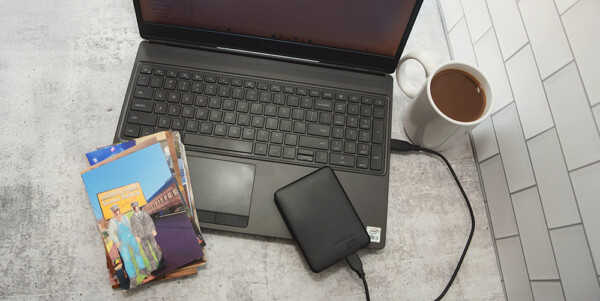
I love digital photos. I love the convenience of having thousands of images at my fingertips. But some of my favorite moments happen when someone pulls out a stack of old prints and starts telling stories.
Suddenly everyone gathers around. Someone points at a hairstyle. Someone laughs at an outfit. Someone remembers a family member who is no longer here. A photograph becomes more than an image. It becomes a conversation.
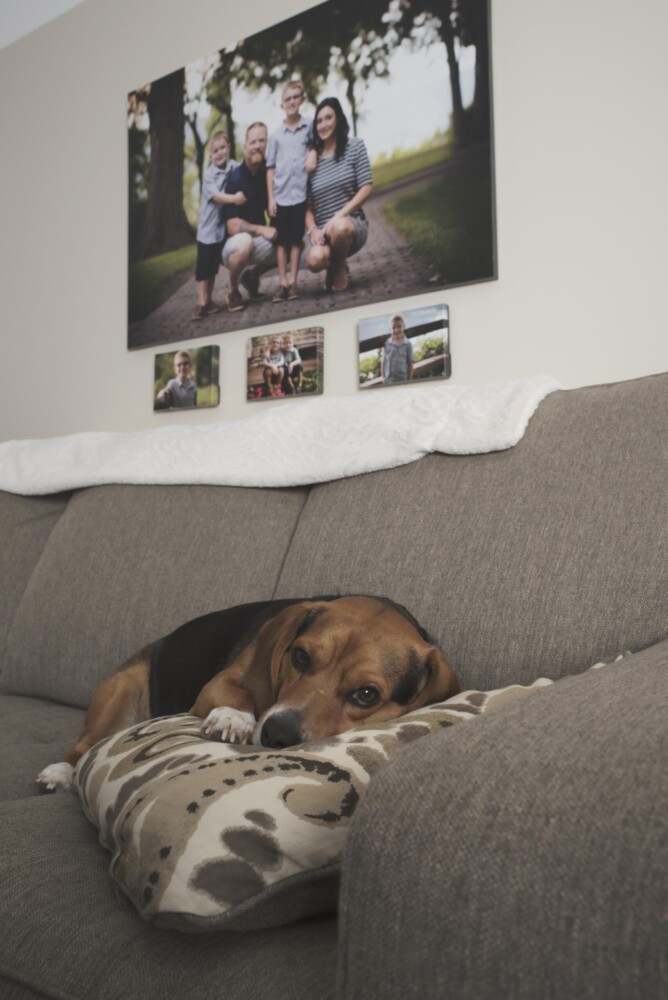
That’s one of the reasons I was so excited to partner with Nations Photo Lab. As someone who has spent years encouraging families to print their photographs, I found it a natural fit. Their products help families move their memories from their devices into their homes, where they can be seen, touched, shared, and enjoyed.
Because photographs were never meant to live their entire lives on a screen.
They were meant to be held, passed around, hung on walls, tucked into albums, and above all, loved.
Being the family historian doesn’t mean doing everything perfectly. It doesn’t mean organizing your entire camera roll this weekend or creating a scrapbook-worthy album for every year of your child’s life.
It simply means deciding that your family’s story is worth protecting. One backup at a time, one print at a time, and one memory at a time.
Someday, someone is going to look through your photographs the same way I looked through that box of old family pictures. They’re going to laugh at the hairstyles, smile at the memories, and remember people and moments that might otherwise have been forgotten.
And they’ll be grateful those stories were saved.
If reading this made you realize your family photos could use a little attention, I’ve put together a few resources to help.
The Camera Roll Reset is my simple step-by-step system for organizing, backing up, and protecting your family photos without spending your entire weekend doing it.
The Print Guide will help you turn those digital memories into keepsakes you can actually hold in your hands and enjoy every day.
Because being the family historian doesn’t mean being perfect. It just means taking the next step.